Independent educational guide
Glutathione injections, explained clearly.
Understand the evidence, potential uses, safety questions, costs, and provider options before deciding whether injectable glutathione belongs in a conversation with your clinician.
Affiliate disclosure: We may earn a commission from qualifying referrals through the System Labs link.
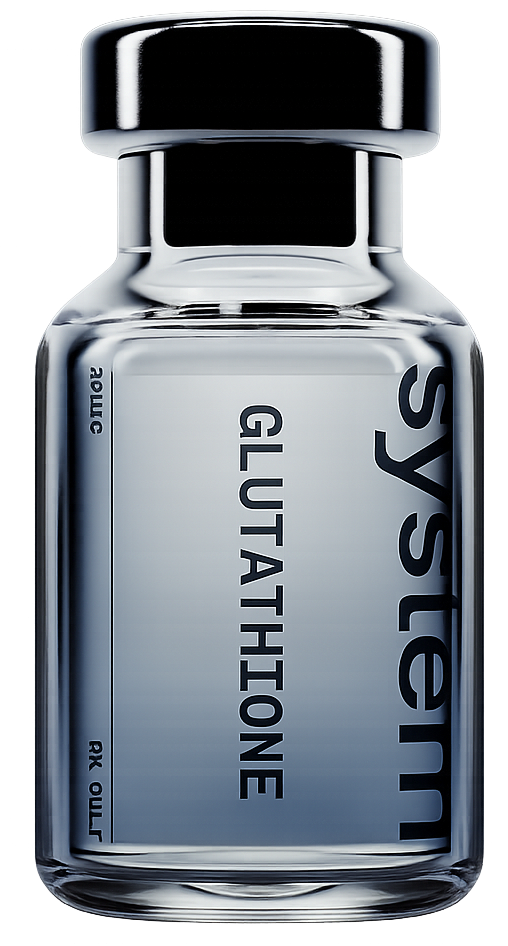
Start with the facts
What are glutathione injections?
Glutathione is an antioxidant produced naturally in the body. Injectable products place glutathione directly into tissue or the bloodstream, depending on the route prescribed and administered.
Many injectable glutathione products are compounded. Compounded drugs are not FDA-approved, meaning the FDA does not review them before marketing for safety, effectiveness, or quality. A qualified healthcare professional should evaluate whether any compounded treatment is appropriate for an individual patient.
Research by question
What do you want to understand?
Use these focused guides to evaluate common questions without hype or guaranteed-outcome claims.
Potential benefits
Separate biological rationale, preliminary findings, and marketing claims.
Explore benefits → 02Risks and side effects
Review injection reactions, compounding concerns, and reasons to seek care.
Review safety → 03Cost and access
Understand provider pricing questions and expenses beyond the advertised price.
Compare costs →Featured affiliate partner
Explore System Labs
System Labs is the provider currently featured on this site. Review its current offering, eligibility process, pricing, and prescribing information directly before making a decision.
- Confirm who evaluates and prescribes treatment
- Ask which pharmacy compounds and dispenses it
- Review storage, dosing, and adverse-event instructions
Paid affiliate link. We may earn compensation from a qualifying signup. This does not increase the price you pay.
Important safety context
Compounding quality matters.
The FDA has documented adverse events involving improperly compounded injectable glutathione, including reactions associated with excessive bacterial endotoxins. The agency reported symptoms ranging from nausea and chills to low blood pressure and difficulty breathing.
This history does not establish that every compounded product is unsafe. It does make pharmacy sourcing, sterility practices, clinician oversight, and adverse-event instructions essential questions.
Read the FDA glutathione compounding alert →Continue researching
Glutathione injection guides
Detailed pages for the questions people ask most often.
Quick answers
Common questions
Are glutathione injections FDA-approved?
Compounded drugs are not FDA-approved. The FDA does not review compounded products before marketing for safety, effectiveness, or quality.
Can injections be used at home?
Some providers may prescribe products intended for home use after an eligibility review. Patients should receive individualized instructions on dosing, storage, injection technique, and when to seek medical help.
Does this site provide medical advice?
No. This site provides general educational information. Diagnosis, prescribing, dosing, and treatment decisions belong to qualified healthcare professionals.