




Are Glutathione Injections Safe?

Are glutathione injections safe when administered through a medically supervised telehealth program is one of the most common questions people ask before starting treatment. When prescribed by a licensed clinician and administered correctly using pharmacy-compounded formulations, glutathione injections are generally considered well-tolerated by most individuals. Before starting any program, it is important to review potential glutathione injection side effects, understand the recommended glutathione injection protocol, and know where to inject glutathione properly to minimize the risk of localized reactions at the injection site.

Are Glutathione Injections Safe Under Medical Supervision

  • Glutathione injections prescribed by licensed clinicians and compounded by certified pharmacies follow strict safety standards
  • Medical supervision ensures dosage, frequency, and administration method are appropriate for each individual
  • Telehealth programs that include clinician screening and follow-up consultations significantly reduce risk
are glutathione injections safe when used under medical supervision
When the question is are glutathione injections safe, the answer depends heavily on how the treatment is sourced and administered. Glutathione injections obtained through licensed telehealth providers — where a clinician reviews your health history, approves a personalized dosing plan, and oversees the program — carry a very different risk profile than unregulated injections purchased without a prescription. Part of that personalized plan includes determining the appropriate glutathione injection dosage per day for your specific body weight and health goals — a step that unregulated programs skip entirely. Pharmacy-compounded glutathione prepared under sterile conditions meets safety standards that over-the-counter alternatives cannot match. Medical supervision is not just a formality — it is the primary factor that separates a safe, structured program from one that carries unnecessary risk.

Find the Best Glutathione Injections Online

Not every glutathione injection program is built the same way, and the differences matter more than most people realize. The programs worth looking at are the ones that start with a real clinician review — not just a checkbox intake form — where a licensed provider actually evaluates your health background before approving a protocol. From there, pharmacy-compounded glutathione is prepared to prescription standards and shipped with everything needed for safe at-home administration. What separates a trustworthy program from a questionable one is transparency — clear pricing, defined clinician involvement, and a structured dosing plan rather than a vague wellness package with no medical accountability behind it.

Known Risks and Who Should Use Caution

  • People with kidney disease, asthma, or known sulfur sensitivities should consult a physician before starting glutathione injections
  • Pregnant or breastfeeding individuals should avoid glutathione injections unless specifically cleared by a licensed provider
  • Allergic reactions, though uncommon, can occur and should be discussed during the clinician screening process
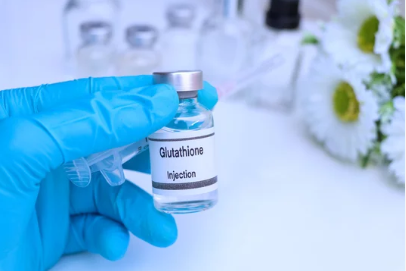
Glutathione injection vial and syringe prepared for antioxidant therapy treatment
While glutathione injections are well-tolerated by most healthy adults, certain individuals should approach treatment with additional caution. People with pre-existing kidney conditions, respiratory sensitivities, or known reactions to sulfur-containing compounds may face elevated risk and should discuss their health history thoroughly during the clinician screening process. Pregnant or breastfeeding individuals are generally advised to avoid glutathione injections until more definitive safety data is available for those populations. For a full breakdown of what reactions to watch for during treatment, the glutathione injection side effects page outlines both common and less common responses reported across different administration methods.

Why Pharmacy-Compounded Glutathione Matters for Safety

  • Compounded glutathione is prepared in licensed facilities under sterile conditions that meet strict pharmaceutical standards
  • Unlike unregulated products, pharmacy-compounded formulations are tested for potency, purity, and sterility
  • Receiving glutathione through a telehealth program ensures the medication meets the same standards as other prescription compounds
are glutathione injections safe pharmacy compounded sterile formulations
One of the most important safety factors when evaluating glutathione injections is where the medication comes from. Pharmacy-compounded glutathione prepared by a licensed compounding pharmacy is formulated under sterile conditions with verified ingredients — a standard that unregulated online products simply cannot meet. Compounded formulations are subject to quality controls that ensure the correct concentration, sterility, and stability of the medication before it reaches the patient. Choosing a telehealth program that sources glutathione exclusively from licensed compounding pharmacies is one of the most practical steps a person can take to ensure the treatment they are using is both safe and effective. Equally important is understanding how to inject glutathione correctly — even the safest medication can cause unnecessary reactions if administration technique is poor. For context on what a properly structured program looks like, reviewing a full glutathione injection protocol outlines what legitimate treatment plans include.

What Research Says About Glutathione Injection Safety

  • Glutathione has been used clinically for decades in liver disease and chemotherapy support with a well-documented safety profile
  • Studies on intramuscular glutathione administration report minimal serious adverse events in healthy adult populations
  • Most reported reactions are mild and localized — including temporary injection site soreness and minor skin flushing
are glutathione injections safe reviewing clinical research and evidence
The safety profile of glutathione as a compound is well-established in clinical literature, where it has been used for decades in settings ranging from liver disease management to supportive cancer care. Research on intramuscular and intravenous glutathione administration in healthy adults consistently reports a low incidence of serious adverse events, with most reactions being mild, temporary, and localized to the injection site. Systemic reactions are uncommon when dosing is clinically appropriate and administration technique is correct. Understanding how delivery method affects the safety profile is also relevant — the glutathione injection IM vs IV guide outlines how intramuscular and intravenous administration compare in terms of both safety considerations and practical use.

Glutathione Injections vs Oral Supplements

  • Injectable glutathione delivers near 100% bioavailability — oral supplements lose most potency during digestion
  • Injections produce faster, more measurable results than capsules or pills taken daily
  • Oral glutathione works for general maintenance, but injections are preferred for therapeutic and cosmetic goal
glutathione injections vs oral supplements bioavailability comparison
Some individuals compare injection therapy with oral glutathione supplements when researching antioxidant support options. Because oral supplements must pass through the digestive system, absorption can vary depending on formulation and metabolism. Injection-based delivery allows glutathione to enter circulation more directly. Injectable glutathione — often referred to as glutathione shots — delivers the compound through intramuscular (IM) or intravenous (IV) administration within medically supervised treatment programs. For a broader overview of how treatment programs work, visit the glutathione injections homepage.

Frequently Asked Questions
About Are Glutathione Injections Safe?

Most clinically supervised programs are designed for long term use with periodic dosage adjustments. When sourced from licensed compounding pharmacies and administered correctly, glutathione injections are generally considered safe for ongoing maintenance protocols.

Glutathione injections are prescribed off-label in the United States. The compound itself is not FDA approved for cosmetic or antioxidant use specifically, but it is legally prescribed and compounded by licensed pharmacies under clinician oversight.

There is no strong clinical evidence linking properly dosed glutathione injections to kidney damage in healthy individuals. However people with pre-existing kidney conditions should consult a physician before starting treatment.

Look for programs that require a licensed clinician consultation before approving treatment, source medication from certified compounding pharmacies, and provide structured dosing guidance with follow-up support. Avoid programs that skip the medical screening process entirely.

Self-administering glutathione without clinician guidance significantly increases risk. A licensed provider should approve your dosing plan, confirm you are an appropriate candidate, and provide administration instructions before you begin any at-home injection program.

Ready to Start a Glutathione Injection Program?

Patients interested in medically supervised glutathione injection programs can complete a quick online consultation and receive treatment supplies shipped directly to their home.
Find more details about Glutathione injections.
🔒 Valid prescription from a licensed provider required