


Where to Inject Glutathione

Knowing where to inject glutathione is one of the first practical questions people have when starting an at-home telehealth program. Understanding where to inject glutathione correctly from the beginning helps avoid common administration mistakes that can affect both comfort and absorption. Intramuscular injection sites are the most commonly used for self-administration because they allow for consistent absorption and are straightforward to access without clinical assistance. Most people researching where to inject glutathione are also starting to evaluate telehealth programs, so understanding the full picture before the first dose matters. Before selecting an injection site, it helps to understand the full glutathione injection protocol structure, review recommended glutathione injection dosage amounts, learn how to inject glutathione correctly using proper technique, and be aware of potential glutathione injection side effects so the process can be approached safely and with realistic expectations from the start.

Best Injection Sites for Glutathione at Home

  • The outer thigh is the most recommended site for at-home intramuscular glutathione injections due to easy access
  • The deltoid muscle in the upper arm is another common option used in telehealth programs
  • The ventrogluteal and dorsogluteal sites are used by more experienced self-injectors
where to inject glutathione intramuscular injection sites at home
For at-home telehealth programs, the outer thigh is widely considered the most practical and accessible intramuscular injection site when learning where to inject glutathione for the first time. The vastus lateralis muscle runs along the outer portion of the thigh and provides a large enough muscle mass to absorb the injection comfortably without requiring assistance. The deltoid muscle in the upper arm is another commonly used site for those who have become more comfortable with where to inject glutathione and want an alternative rotation option, though it requires more flexibility to access alone. Most telehealth programs provide clear administration guidelines specifying which sites are recommended based on the formulation and volume being injected.

Find the Best Glutathione Injections Online

Choosing the right glutathione injection program matters as much as knowing where to inject. Reputable telehealth providers walk you through a straightforward online intake process where a licensed clinician reviews your health background and approves a personalized treatment plan before anything is shipped. Programs worth considering will include pharmacy-compounded glutathione prepared to prescription standards, all necessary injection supplies, and clear step-by-step administration instructions so you feel confident from the first dose. Avoid programs that skip the clinician screening step or that are vague about what is actually included in the monthly cost — transparency around what you are paying for is a basic standard any legitimate provider should meet.

Why Rotating Injection Sites Matters

  • Injecting the same site repeatedly can cause tissue irritation, soreness, and small lumps under the skin
  • Rotating between the left and right thigh or alternating with the deltoid prevents buildup at any single location
  • Most telehealth programs provide a rotation schedule as part of their administration instructions
where to inject glutathione site rotation guide for at home use
Site rotation is a standard part of any well-structured glutathione injection frequency plan and should not be overlooked. Repeatedly injecting the same muscle in the same spot causes localized irritation, scar tissue buildup, and can reduce absorption over time. Alternating between the left and right outer thigh with each injection is the simplest rotation pattern for most people following an at-home program. Those injecting more frequently during a loading phase may also rotate to the deltoid to give each site adequate recovery time between doses. Reviewing the glutathione injection frequency guide can help clarify how often sites need to be rotated based on your specific dosing schedule.

How to Prepare the Injection Site Properly

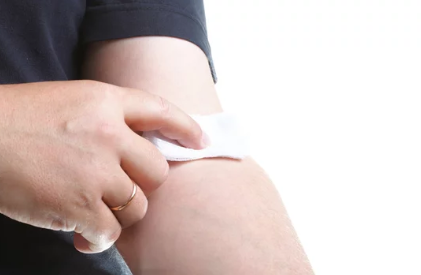
  • Always clean the injection site with an alcohol swab and allow it to fully dry before injecting
  • Avoid injecting into areas that are bruised, irritated, or showing signs of previous site reactions
  • Pinching or relaxing the muscle depending on the injection technique helps ensure the needle reaches the muscle properly
factors that influence glutathione injection before and after results
Proper site preparation is just as important as choosing where to inject glutathione in the first place. Before each injection, the skin over the chosen muscle should be cleaned with an alcohol swab and allowed to dry completely — injecting through wet skin increases the risk of irritation and contamination. The area should be visually checked for bruising, lumps, or redness from previous injections, and a different site should be used if any of these are present. Relaxing the muscle during injection reduces discomfort and helps the needle penetrate cleanly into the muscle tissue rather than catching against tension. Most telehealth programs include detailed preparation instructions alongside their administration guidelines to ensure the process is performed correctly from the start.

Injection Sites to Avoid

  • Never inject into veins, joints, or areas with visible surface veins running beneath the skin
  • Avoid areas with active skin irritation, rashes, or previous injection site reactions
  • The abdomen and areas close to bones or nerves should not be used for intramuscular glutathione injections
where to inject glutathione sites to avoid for safe at home administration
Knowing where not to inject is just as important as knowing the correct sites. Intramuscular glutathione injections should never be administered near visible veins, joints, or bony prominences where the risk of hitting a nerve or blood vessel is elevated. Areas showing signs of active skin irritation, bruising, infection, or scarring from previous injections should always be skipped in favor of a clean alternate site. The abdomen, while commonly used for some other injectable medications, is not a standard site for intramuscular glutathione administration. Following your telehealth provider's site guidelines carefully and reaching out to your clinician if you notice unusual reactions at any injection site is always the recommended approach. For a broader look at what reactions to watch for, the glutathione injection side effects page covers what is considered normal versus what warrants clinical follow-up.

Frequently Asked Questions
About Where to Inject Glutathione

The outer thigh is the most recommended site for at-home intramuscular glutathione injections. It is easy to access without assistance, provides adequate muscle mass, and is the standard site recommended by most telehealth programs.

Yes. The deltoid muscle in the upper arm is a commonly used alternative to the thigh. It requires more flexibility to access alone but is a practical option for those comfortable with the technique.

Sites should be rotated with every injection. Alternating between the left and right thigh is the simplest approach, with the deltoid used as an additional option for those injecting more frequently during a loading phase.

Mild soreness after injection is normal and typically resolves within a day or two. If swelling, redness, or pain persists or worsens, stop using that site and contact your telehealth provider for guidance.

Some programs do allow subcutaneous administration depending on the formulation and clinician preference. Always follow the specific administration method outlined in your program — do not switch methods without clinician approval.

Ready to Start a Glutathione Injection Program?

Patients interested in medically supervised glutathione injection programs can complete a quick online consultation and receive treatment supplies shipped directly to their home.
Find more details about Glutathione injections.
🔒 Valid prescription from a licensed provider required